
How Can Maintenance Teams Manage Portable Liquid Containers Across Large Industrial Sites?
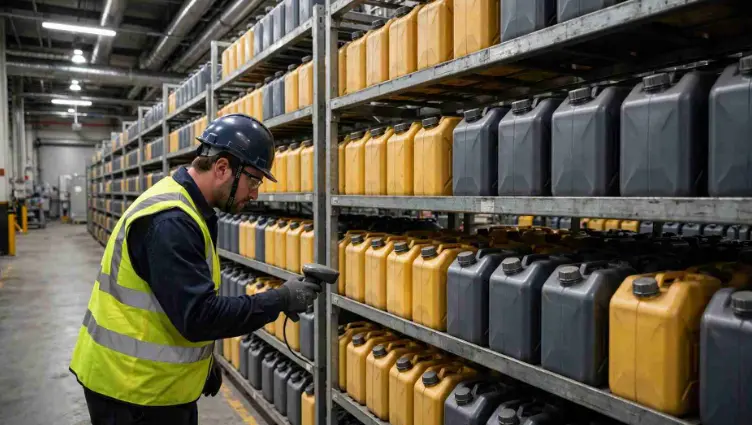
Managing portable liquid containers across a large industrial site requires proper planning, regular inspections, safe handling, and clear storage procedures.
Maintenance teams often need to move oils, cleaning fluids, lubricants, chemicals, and other liquids between workshops, production areas, warehouses, and equipment rooms. Without a clear system, containers can get misplaced, become damaged, or create safety risks.
A well-organised container management process helps teams track liquid supplies, reduce spills, prevent contamination, and make daily maintenance work more efficient. The right containers and handling procedures can also reduce unnecessary movement and help workers complete tasks safely.
Key Practices for Managing Portable Liquid Containers Across Industrial Sites
1. Map Liquid Usage Across Different Work Areas
The first step is to understand where portable liquids are used and how frequently teams need them. Maintenance managers should review the requirements of workshops, production lines, equipment rooms, loading areas, and other work zones.
This assessment helps identify the liquids required in each area, the quantities normally consumed, and the distance workers must travel to collect them. High-use areas may need dedicated container stations, while locations with occasional requirements can use a central supply point.
Mapping these needs prevents unnecessary movement and helps teams place containers where they are most useful. It also makes it easier to plan replenishment schedules and avoid shortages during important maintenance tasks.
2. Select Containers Based on the Type of Liquid
Not every portable container is suitable for every liquid. The container material, closure, capacity, and design must match the product being stored and transported. Some liquids may require specific chemical resistance, while others need protection against moisture, contamination, or evaporation.
Before selecting containers, maintenance teams should check the liquid manufacturer’s storage instructions and confirm material compatibility. Containers should be suitable for the intended liquid and operating conditions.
Businesses sourcing products from Crateco Pack LLC can explore its range of jerry can options when assessing portable liquid storage needs. The final selection should depend on the liquid’s properties, required capacity, and applicable workplace safety requirements.
3. Create Designated Storage Points
Portable containers should have clearly defined storage locations across the site. Keeping them in random corners, beside machinery, or along busy walkways makes them harder to locate and can create safety hazards.
Maintenance teams should establish designated storage points near relevant work areas without blocking emergency exits, pedestrian routes, electrical equipment, or vehicle movement. Each location should have enough space for safe access, inspection, and container movement.
Storage areas should be suitable for the liquids kept there. Depending on the substance and quantity, they may need ventilation, spill containment, restricted access, or separation from incompatible materials. Clear storage rules help workers return containers to the correct place after use and maintain a more organised facility.
4. Label Every Container Clearly
Clear labelling is essential when several liquids are used throughout an industrial facility. A container without an accurate label can cause confusion, especially when its contents look similar to another product.
Labels should identify the liquid and include relevant hazard information, handling instructions, and other details required by site procedures and applicable regulations. Where necessary, teams should use appropriate hazard labels and safety data sheet references.
Labels must remain readable during normal handling and storage. Damaged, missing, or unclear labels should be addressed before the container is used again. Workers should never identify an unknown liquid by smell, colour, or appearance alone.
A consistent labelling system also helps supervisors carry out inspections and makes it easier to identify containers that have been placed in the wrong area.
5. Establish a Simple Container Tracking System
On a large industrial site, containers can move between several departments in a single shift. Without a tracking process, teams may not know where containers are located, whether they are in use, or when supplies need replenishment.
A tracking system can be as simple as a numbered register or as advanced as a barcode-based inventory tool. Each record may include the container identification number, contents, assigned location, inspection status, and date of its last check.
For facilities with frequent container movements, workers can update records when containers are issued, transferred, returned, or removed from service. This creates a clearer picture of available stock and helps managers identify missing containers.
Tracking also supports accountability. If a container is damaged or a liquid is found in the wrong location, the team can investigate its recent movement and take corrective action.
6. Train Workers in Safe Handling Procedures
Even suitable containers can become a safety risk if workers handle them incorrectly. Staff should understand how to lift, carry, close, transport, and store containers according to the liquid’s properties and the container manufacturer’s instructions.
Training should cover the use of suitable personal protective equipment, safe lifting techniques, leak recognition, spill reporting, and procedures for handling damaged containers. Workers must understand that containers should not be carried by unsuitable caps or handles that are not designed for lifting.
Heavy containers may require carts, trolleys, or mechanical assistance. Teams should avoid carrying loads that obstruct their view or make it difficult to maintain balance.
Training should be repeated when procedures change, new liquids are introduced, or inspections reveal recurring handling problems. Clear instructions and regular reminders help build safer habits across different departments.
7. Inspect Containers Before and After Use
Routine inspections help maintenance teams identify problems before they lead to leaks or injuries. Workers should check containers for cracks, dents, corrosion, damaged handles, faulty closures, and other signs of wear.
The inspection should also include the cap or lid, seals, and any dispensing components. Containers showing signs of leakage or structural damage should be removed from normal use and managed according to site procedures.
Inspection frequency should reflect the type of liquid, how often the container is moved, its working environment, and the risks involved. Frequently used containers may require more regular checks than those kept in controlled storage.
Teams should record significant defects and confirm that corrective action has been completed. Containers should only return to service when they are considered suitable for their intended use.
Common Mistakes to Avoid
Several avoidable mistakes can make portable liquid management less effective. Industrial maintenance teams should watch for the following problems:
- Using unsuitable containers: A container may not be compatible with the liquid it holds.
- Leaving containers unlabelled: Workers may confuse products or mishandle unknown contents.
- Storing containers in busy walkways: Poor placement can obstruct movement and create trip hazards.
- Ignoring minor damage: Small cracks or faulty closures may develop into leaks.
- Overlooking inventory records: Missing or misplaced containers can delay maintenance work.
- Mixing incompatible substances: Incorrect storage can create serious chemical hazards.
- Keeping empty containers without a plan: Residues may remain even when a container appears empty.
- Skipping worker training: Staff may use unsafe lifting, transport, or transfer methods.
Addressing these issues through clear procedures and regular checks can improve both safety and day-to-day efficiency.
Conclusion
Managing portable liquid containers across a large industrial site requires more than choosing suitable storage products. Maintenance teams need designated storage points, clear labels, reliable tracking, safe handling procedures, routine inspections, and planned replenishment. They must also consider liquid compatibility, spill prevention, and clear transport routes.
A consistent system helps workers find the liquids they need, reduces waste, and lowers the risk of spills and handling incidents. By reviewing container use regularly and responding to problems early, industrial facilities can keep maintenance activities organised while maintaining safer working conditions.