
Sharjah Desert Park: Tickets, Timings, Location & Visitor Guide 2026
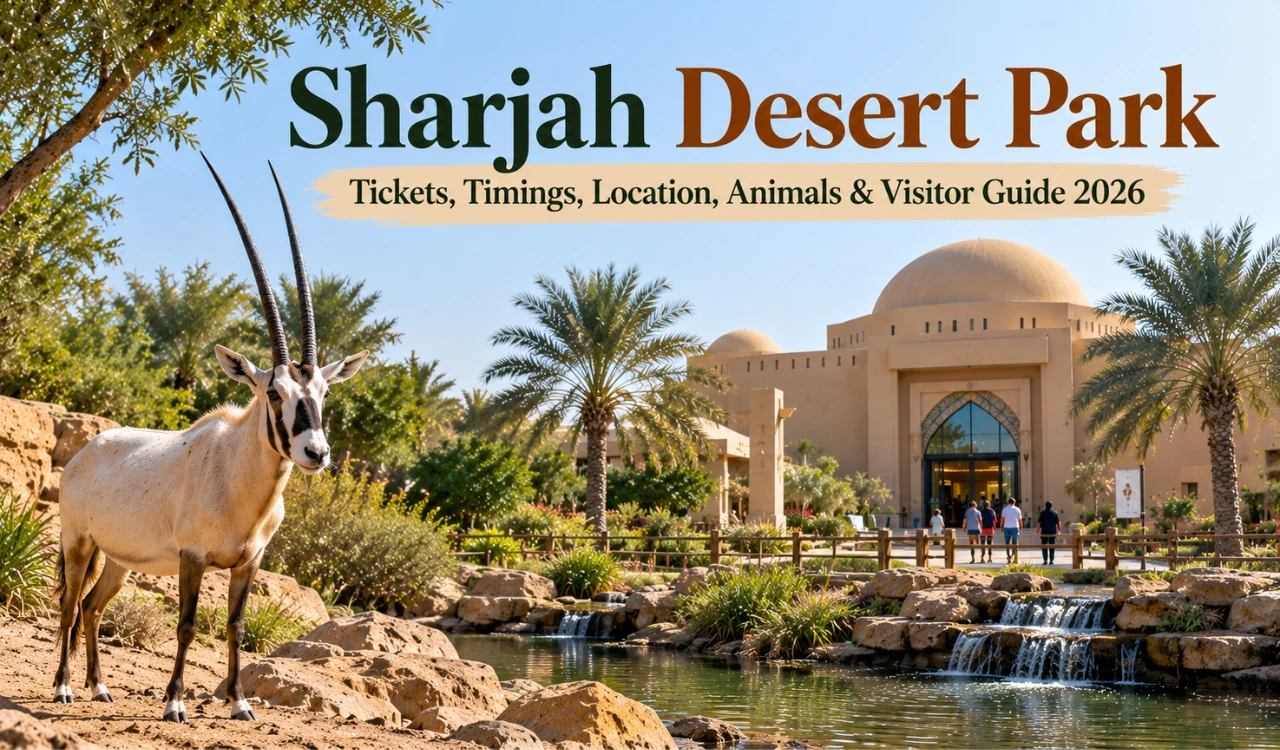
Sharjah Desert Park is an educational wildlife attraction in Sharjah where visitors can see Arabian animals, explore museums, learn about native plants and visit areas made for children. It suits families, tourists and people interested in wildlife and the natural environment of the Arabian Peninsula.
This guide covers Sharjah Desert Park tickets, timings, location, main attractions, animals, facilities and transport options to help you plan your visit more easily.
Sharjah Desert Park at a Glance
| Detail | Information |
|---|---|
| Location | Al Dhaid Road (E88), near Interchange 9, Sharjah |
| Distance | Around 28–30 km east of Sharjah city |
| Type | Wildlife and educational complex |
| Main attractions | Arabia’s Wildlife Centre, Natural History Museum, Botanical Museum, Children’s Farm, Islamic Garden |
| Ticket | Adults AED 15; children (12–16) AED 5; children under 12 free |
| Opening days | Open most days; closed Tuesday |
| Main focus | Arabian wildlife, plants, conservation and environmental education |
| Best for | Families, children and nature lovers |
| Visit duration | Around 3–5 hours |
| Parking | Free parking |
Timings and Opening Hours
| Day | Opening Hours |
|---|---|
| Sunday | 11 AM–6:30 PM |
| Monday | 9 AM–6:30 PM |
| Tuesday | Closed |
| Wednesday–Thursday | 9 AM–6:30 PM |
| Friday | 2–6:30 PM |
| Saturday | 11 AM–6:30 PM |
Ticket Price
Sharjah Desert Park tickets are AED 15 for adults and AED 5 for children aged 12 to 16, while children under 12 enter free. The entry fee covers the park’s main visitor attractions, so separate tickets are not needed for each section.
| Visitor | Ticket Price |
|---|---|
| Adults | AED 15 |
| Children (12–16 years) | AED 5 |
| Children under 12 | Free |
Location and Map
Sharjah Desert Park is located on Al Dhaid Road (E88), near Interchange 9, around 28–30 km east of Sharjah city centre. It can also be reached from Sharjah International Airport by road.
How to Reach Sharjah Desert Park
By Car or Taxi
The easiest route is via Al Dhaid Road (E88). Drive east, take the exit at Interchange 9, then follow the signs for Sharjah Desert Park.
By Bus
There is no direct bus to Sharjah Desert Park. From Dubai, take an intercity bus from Union Square Bus Station to Al Jubail Bus Station in Sharjah, then take a taxi to the park via Al Dhaid Road (E88).
Things to See and Do
Sharjah Desert Park brings several wildlife, museum, and plant attractions together in one site. The main sections focus on Arabian animals, desert environments, regional plants and activities for children.
Arabia’s Wildlife Centre
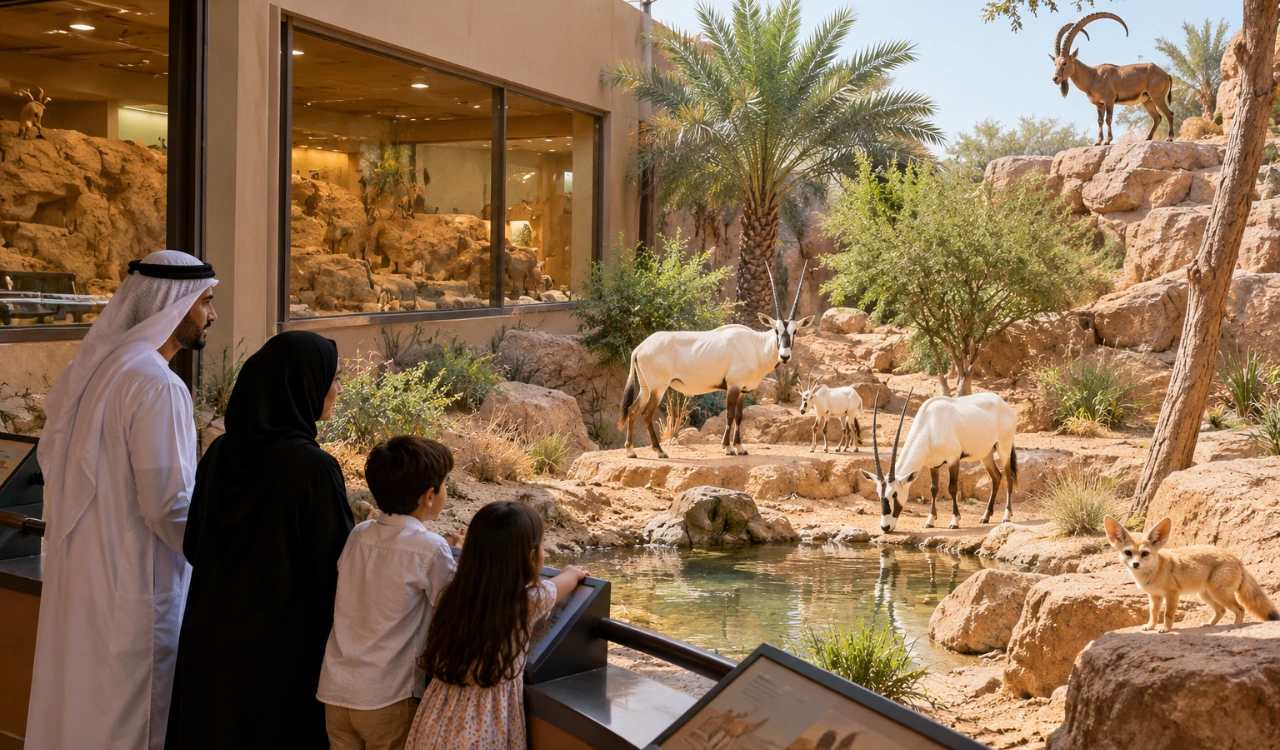
Arabia’s Wildlife Centre, often called Sharjah Zoo, is the main animal attraction in the park. Visitors can see species from the Arabian Peninsula in different habitat areas, including indoor viewing sections. Information panels explain the animals, their habitats and conservation work.
Sharjah Natural History Museum
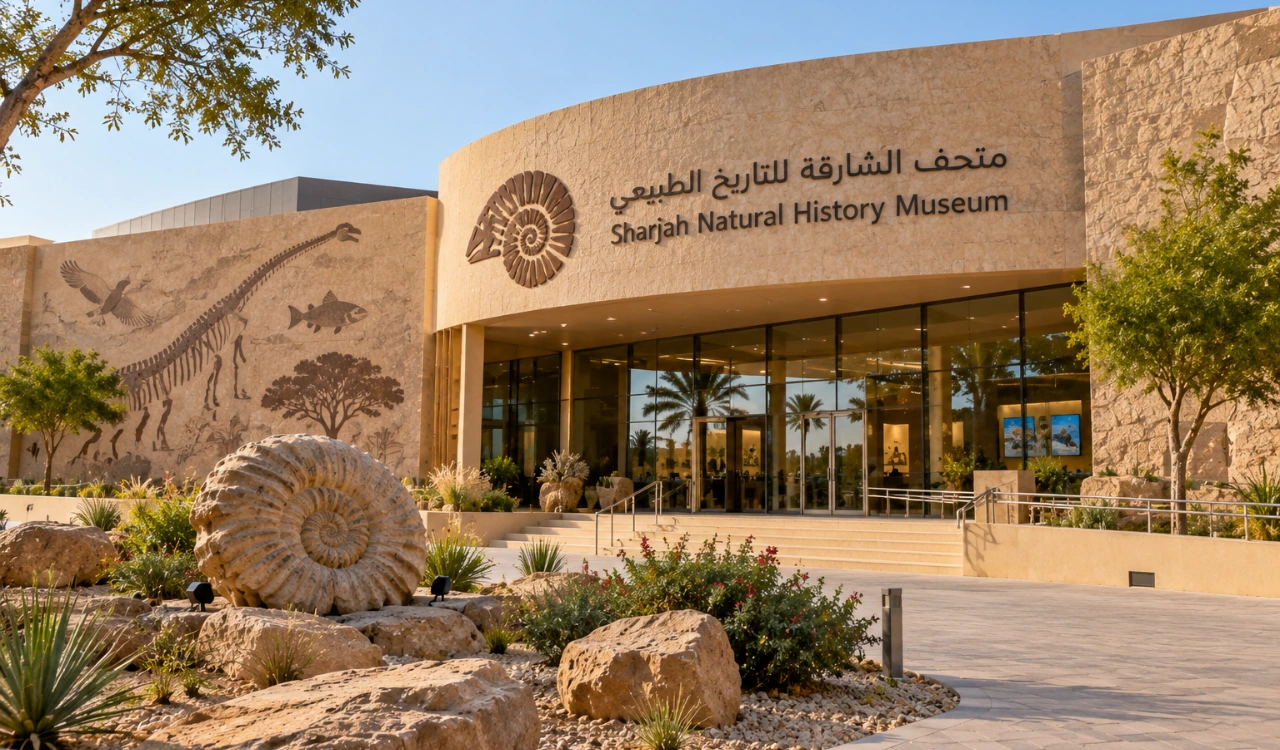
The Sharjah Natural History Museum explains how the region’s land, wildlife and natural environment developed over time. Exhibits cover geology, fossils, desert habitats, plants, living organisms and marine life, helping visitors understand the natural history of Sharjah and the Arabian Peninsula.
Botanical Museum and Garden
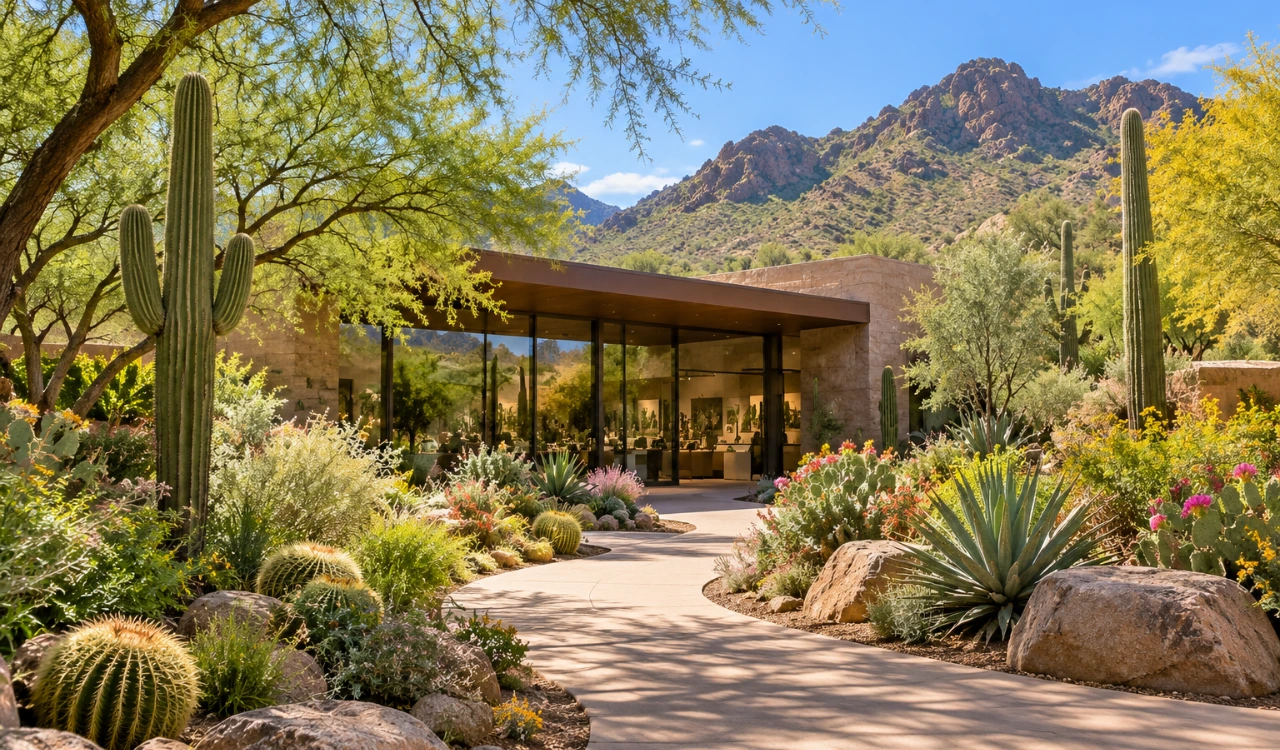
The Botanical Museum and Garden focuses on native plants, soil and desert ecosystems. Displays explain how plants survive in dry conditions and how regional plant life is connected to the wider environment. It is a useful stop for visitors interested in desert vegetation and plant science.
Children’s Farm
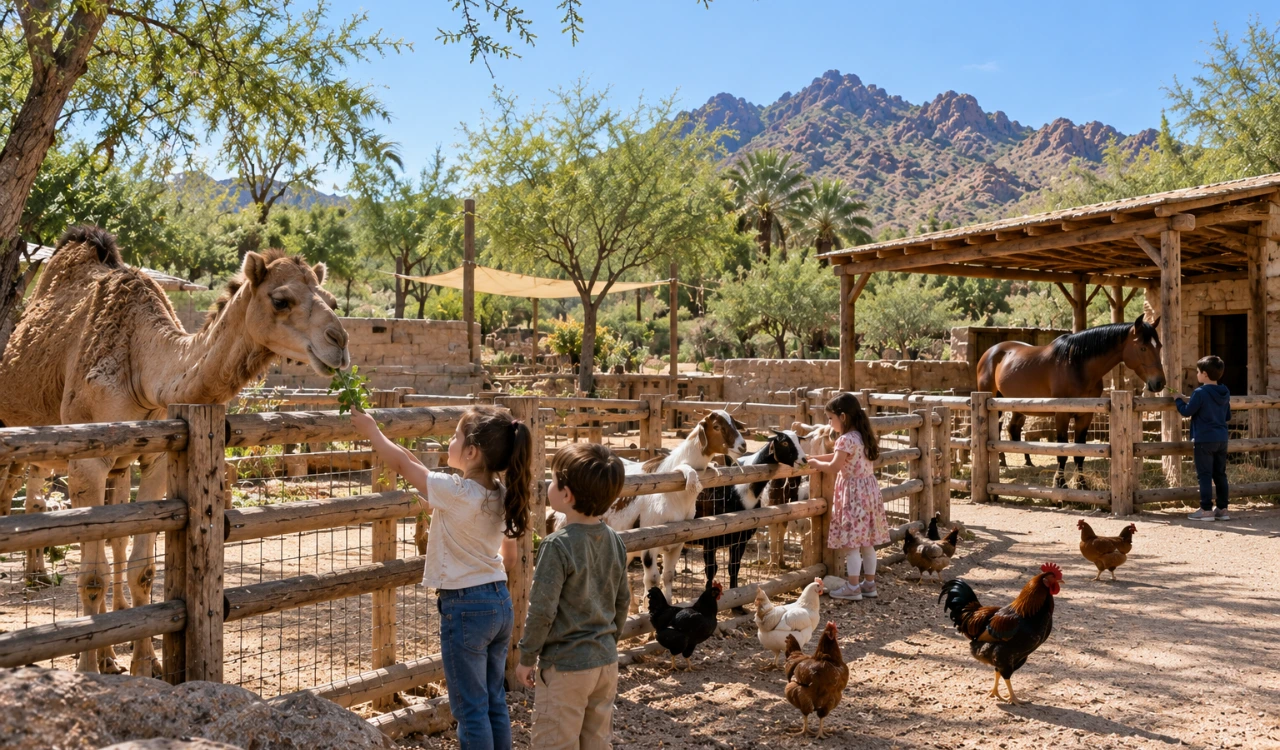
The Children’s Farm is designed for younger visitors. Children can see domestic animals such as camels, goats, horses and poultry, with supervised feeding and interaction available in some areas. The farm also supports environmental learning through simple animal-based activities.
Islamic Garden
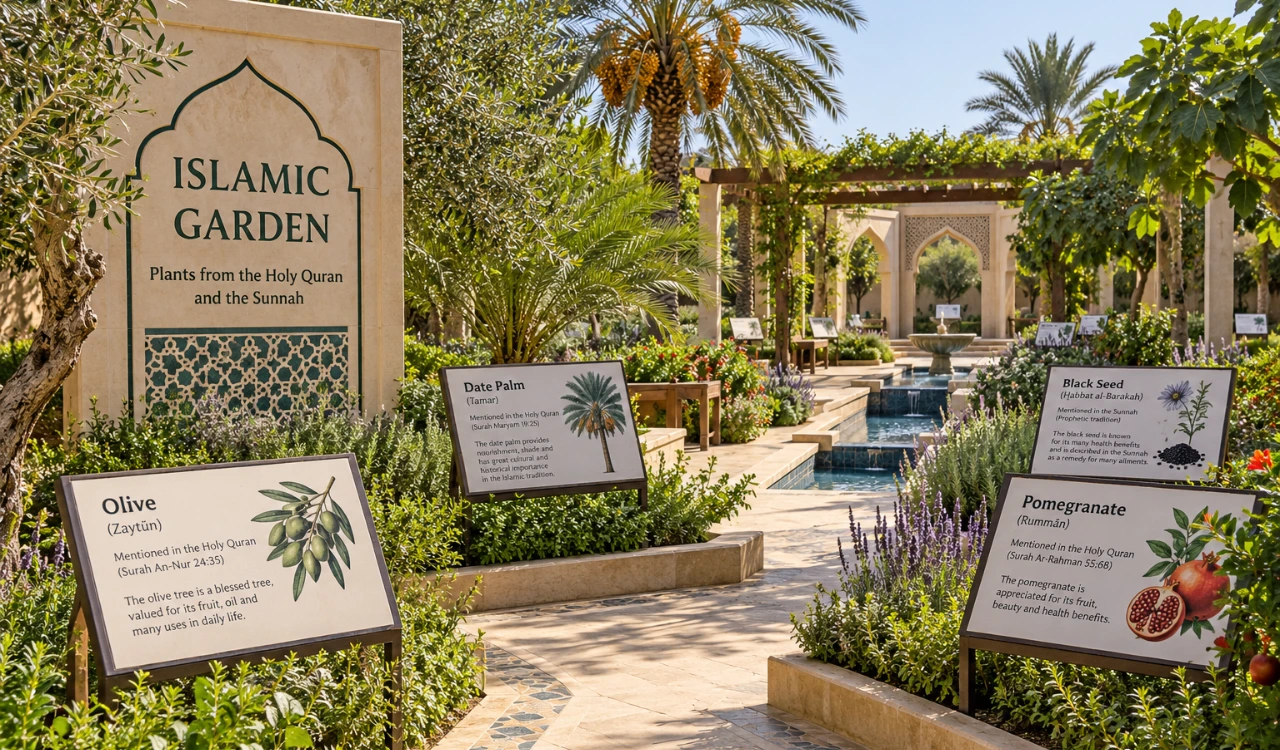
The Islamic Garden features plants mentioned in the Holy Quran and the Sunnah. Information displays help visitors learn about the names, uses and cultural importance of these plants. Unlike the wider botanical section, this garden connects plant life with Islamic history and knowledge.
Animals at Sharjah Desert Park
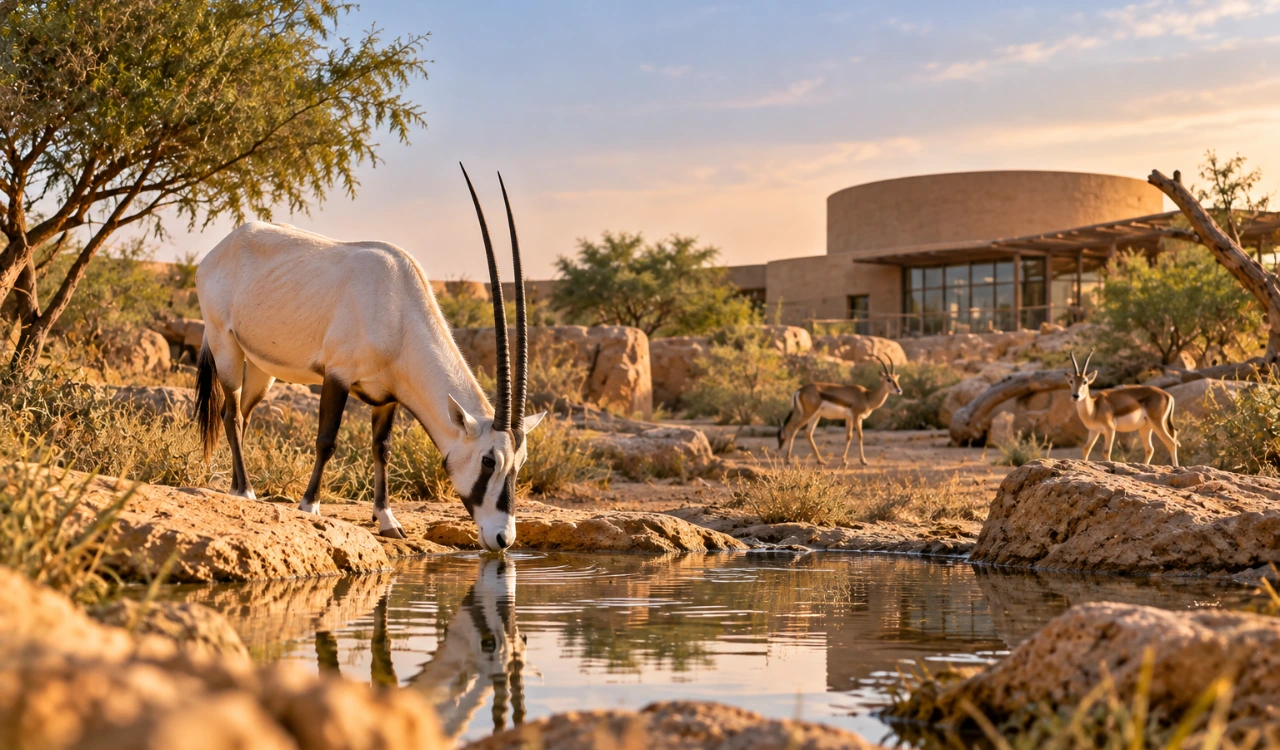
Arabia’s Wildlife Centre houses animals from across the Arabian Peninsula. Visitors can see Arabian oryx, Arabian leopards, wolves, gazelles, foxes, sand cats and hyenas, along with reptiles, birds and nocturnal species. The exhibits are arranged around different habitats, with information about each animal and the environment it lives in.
Endangered Wildlife and Conservation
Sharjah Desert Park also supports the protection and breeding of endangered Arabian species. Its Breeding Centre for Endangered Arabian Wildlife is used for conservation and research, but the breeding facilities are not open to general visitors.
Facilities
Sharjah Desert Park has visitor facilities for families and longer visits. These include free parking and cafés, while wheelchair and stroller access is available in the museum and main visitor areas. Designated areas are also used for eating and resting during a longer visit.
| Facility | Available |
|---|---|
| Parking | Free parking |
| Cafés / food | Available |
| Wheelchair access | Available |
| Stroller access | Available |
| Picnic area | Designated area available |
Sharjah Desert Park Indoor or Outdoor?
Sharjah Desert Park has both indoor and outdoor areas. Major attractions such as Arabia’s Wildlife Centre and museum sections include indoor, air-conditioned spaces, while visitors also walk through outdoor areas between attractions and gardens. The Children’s Farm and some plant areas are more open-air, so visitors should expect a mix of indoor exhibits and outdoor walking during the visit.
Rules for Visitors
Visitors should follow the park rules to protect the animals and keep the site comfortable for families. Pets are not allowed, and children should stay with an adult, especially around animal areas. Smoking is not permitted inside indoor sections, while designated outdoor smoking areas may be available.
Outside food can be used in approved picnic areas. Photography rules can differ by section, so follow signs and staff instructions. Do not feed, disturb or touch animals unless staff allow it.
Best Time to Visit
The best time to visit Sharjah Desert Park is during the cooler months, especially from November to March, when outdoor walking is more comfortable. Weekday morning visits give you more time to explore before closing, as the park opens later on Fridays, Saturdays and Sundays. Summer visits are still possible because several attractions, including Arabia’s Wildlife Centre and museum sections, are indoors and air-conditioned. However, expect some outdoor walking between buildings, gardens, and other sections.
How Long Do You Need at Sharjah Desert Park?
- Best option: Set aside half a day to explore Sharjah Desert Park without rushing.
- Quick visit: Around 2 hours to see the main attractions.
- Regular visit: 3 to 5 hours to explore the main areas.
- Family visit: Allow extra time for the Children’s Farm, Arabia’s Wildlife Centre, museums, and gardens.
Tips for Visiting Sharjah Desert Park
- Arrive early to cover the main attractions.
- Wear comfortable shoes for walking between sections.
- Carry drinking water, especially in warmer months.
- Allow at least a few hours for the visit.
- Remember that the park is closed on Tuesday.
- Take photos only in areas where photography is allowed.
Contact Number
For visitor enquiries, you can contact Sharjah Desert Park at +971 6 531 1411. Visitors can call before travelling to ask about opening hours, ticket prices, accessibility, group visits, special activities and visitor services.
Photos and Photography
Good photo spots include Arabia’s Wildlife Centre, Islamic Garden, Botanical Garden and outdoor areas around the park. Visitors can photograph animals, plants and family areas where photography is allowed. Some indoor sections may have restrictions, so follow posted signs and staff instructions before taking photos or videos.
Places to Visit Near Sharjah Desert Park
You can combine a visit to Sharjah Desert Park with other attractions in the area.
- Sharjah National Park: A good spot for families to relax, enjoy green spaces, and spend time outdoors.
- Sharjah Discovery Centre: A fun place for children to explore interactive exhibits and learn through play.
- Sharjah Classic Cars Museum: A great choice for car lovers who want to see classic and vintage vehicles.
FAQs
How much is the ticket for Sharjah Desert Park?
Tickets are AED 15 for adults and AED 5 for children aged 12 to 16. Children under 12 enter free.
What are Sharjah Desert Park timings?
The park is open on most days with different hours on Friday and Saturday. Tuesday is closed.
Where is Sharjah Desert Park located?
It is on Al Dhaid Road (E88), near Interchange 9, around 28–30 km east of Sharjah city.
Is Sharjah Desert Park indoor or outdoor?
It has both indoor and outdoor areas, including air-conditioned wildlife and museum sections.
What animals can you see at Sharjah Desert Park?
Visitors can see Arabian oryx, leopards, wolves, gazelles, foxes, sand cats, reptiles and birds.
How long does it take to visit Sharjah Desert Park?
Plan around 3 to 5 hours for a full visit.
Are pets allowed at Sharjah Desert Park?
No, pets are not allowed inside the park.
Is Sharjah Desert Park the same as Sharjah Zoo?
Arabia’s Wildlife Centre inside Sharjah Desert Park is often referred to as Sharjah Zoo.
Is Sharjah Desert Park the same as Sharjah Safari?
No. Sharjah Desert Park is home to Arabia’s Wildlife Centre, museums and a children’s farm focused on Arabian wildlife and plants. Sharjah Safari is a separate, larger safari park near Al Dhaid with African animals and its own Bronze, Silver and Gold ticket options.
Conclusion
Sharjah Desert Park brings Arabian wildlife, museums, plants and children’s activities together in one place. Families can see native animals, learn about the region’s natural history, explore botanical displays and spend time at the Children’s Farm. It works well for a half-day family visit with a mix of wildlife viewing and educational activities.